
Embedding education within an outdoor environment is a progressively acknowledged approach that nurtures a breadth of skills and advantages for children. We recognise that outdoor spaces serve as a vital extension of the traditional classroom, offering a rich tapestry of learning experiences that contribute to children's social, physical, and emotional health. Through Outdoor Learning, children engage with the natural environment, which supports their social skills and personal development in a way that indoor settings are unable to replicate.
Engaging with a wide range of outdoor activities, from gardening in green spaces to adventure activities in a National Park, provides opportunities for children to build environmental awareness alongside their physical health. As we encourage schools to incorporate a robust outdoor learning provision, we witness significant strides in children's abilities to connect with nature, cooperate with peers, and develop a sense of independence. These outdoor learning opportunities, particularly when integrated into the formal curriculum, enable a multifaceted approach to education—combining physical activity, exploration, and inquiry-based learning.
A notable concern, however, is the lack of space and resources in some schools, particularly in urban areas. While some primary and secondary schools may struggle with creating an efficient outdoor learning environment, we must consider alternative solutions to facilitate these experiences. The use of recycled materials, the maximisation of communal spaces, or even organising residential visits can help to mitigate this issue. As such, we must persist in expanding outdoor learning opportunities to ensure that all children can benefit from this holistic approach to development, enhancing their mental health and reinforcing a lasting nature connection.
Benefits of Outdoor Learning
We recognise the wide-ranging impact that outdoor learning has on pupils encompassing a spectrum of developmental domains including physical health, mental well-being, environmental understanding, social competence, and enriching learning opportunities.
Physical Health and Activity
Outdoor learning significantly contributes to children's physical health. Activities conducted in settings such as within woodland or on school grounds allow for vigorous physical activity. This can range from climbing trees to engaging in sports, which help develop gross motor skills and establish an active lifestyle. Regular participation in outdoor activities promotes stamina, improves muscle strength, and reduces the risk of childhood obesity.
Mental Health and Wellbeing
Exposure to green spaces has been linked to an improvement in children's mental health and well-being. Time spent outdoors can alleviate symptoms of stress and anxiety, fostering a sense of tranquillity. According to Learning through Landscapes, there is substantial evidence indicating that the natural environment enhances children's emotional states and aids in building resilience.
Environmental Awareness and Connection
Outdoor learning opportunities enable students to develop a meaningful connection with nature. Through direct experience, they gain environmental awareness and learn the importance of sustainability. Programmes such as those in National Parks provide a real-world context for understanding ecological systems and the human impact on the environment.
Social Skills and Development
The outdoor environment serves as an energetic space for fostering social development. Collaborative games and problem-solving exercises encourage students to work together, helping to build teamwork and communication skills. Outdoor settings naturally lead to increased instances of social interaction, which supports the development of empathy and cooperation among peers.
Learning Experiences and Opportunities
Outdoor learning activities present wide-ranging learning experiences. From inquiry-based learning to more traditional curriculum delivery, outdoor settings provide dynamic opportunities for exploratory and active learning. These experiences support multiple learning styles and can often result in deeper understanding and retention of information compared to classroom-based education.
Outdoor Learning
We explore the structured approach to learning that is offered by learning in an outside classroom, the broader framework that encompasses Outdoor Education, and the role of adventure activities in enhancing educational outcomes.
Key Principles of Outdoor Learning
Quality Outdoor Learning is defined by adherence to six key principles that encapsulate its ethos and ensure its effectiveness. First, it is a long-term, iterative learning process composed of regular sessions, not one-off events. Second, it takes place in a natural or woodland setting, providing learners with direct, immersive experiences in nature. Third, the approach is learner-led, supporting the individual's exploration and discovery. Fourth, observations and reflective practice underpin practitioners' session planning and delivery. Fifth, there is a real emphasis on promoting the holistic development of the learner's skills—emotional, social, and physical. Finally, Forest School fosters the learner's relationship with the outdoor environment, its stewardship, and environmental awareness. For instance, opportunities to learn from communal spaces like a University Forest School demonstrate how diverse outdoor settings are critical to childhood education.
Outdoor Education Framework
Outdoor Education brings together a wide range of activities and experiences tailored to the natural environment. It encompasses structured learning that is not limited to the confines of a conventional classroom. This could include residential visits to places like a National Park, where the focus is placed on learning through a curriculum delivery that leverages the natural environment. It's a holistic approach that often integrates core subjects with physical health and mental well-being. Outdoor Education is also reflected in various educational practices detailed in the Journal of Adventure Education & Outdoor Learning, underlining the value added to formal curriculum delivery through outdoor engagement.
Incorporating Adventure Activities
Adventure activities are a dynamic component within Outdoor Education, serving as a catalyst for many educational benefits. They include adventure sports, team-building exercises, or exploratory learning tasks that promote an active lifestyle. Such active learning methods are crucial in helping students develop a range of skills from life skills to fine-motor skills. Engaging with the environment through adventure activities facilitates physical development and enriches the learning experience. It is our belief that when implemented effectively, adventure activities can be powerful tools for personal development, offering children exhilarating and educational visits that resonate far beyond their time in primary or secondary education.
Implementing Outdoor Learning
When we discuss outdoor learning, we focus on its incorporation into primary education, the selection of suitable activities and resources, alignment with the curriculum and the nurturing of developmental skills. We also acknowledge the constraints posed by space availability and resources.
Outdoor Learning in Primary Schools
In primary schools, outdoor learning embarks on a strategic role in children's all-encompassing development. It transcends the traditional confines of a classroom, offering pupils exposure to the natural environment, which is instrumental in cultivating social and personal skills. For instance, schools with access to gardens significantly enhance children's social development with structured playtime. Establishing an effective outdoor learning provision opens a myriad of opportunities for both educators and learners.
Incorporating the Forest School ethos, characterised by its hands-on learning experiences, is a practice that has been gaining traction. It utilises the natural environment as a vibrant canvas for learning while fostering a profound nature connection. This approach is underpinned by regular, immersive outdoor sessions that promote curiosity, confidence, and a sense of stewardship towards the environment.
Activities and Resources
Selecting a wide range of outdoor activities is essential to maintain engagement and address various learning outcomes. These activities could include:
- Adventure activities: orienteering and team-building exercises.
- Environmental education: pond dipping, planting, and conservation projects with recycled materials.
- Creative tasks: art using objects found in nature.
Our resources should be versatile and sustainable, preferably engaging children with the natural environment directly. They should serve multiple purposes, such as sticks that can be used as non-standard units for math, or leaves and seeds for art projects. Moreover, residential visits to places like a National Park can extend the learning environment and offer immersive experiences that are not replicable within school grounds.
Curriculum Delivery and Developmental Skills
We must integrate outdoor learning seamlessly with the formal curriculum. Through outdoor experiences, children can apply core subjects—like maths and science—in hands-on, practical ways. This integration supports a wide spectrum of developmental skills, including:
- Life skills: problem-solving and decision-making.
- Physical skills: coordination and balance.
- Cognitive skills: observation and hypothesis testing.
Inquiry-based learning outdoors can also be particularly effective, encouraging students to ask questions of their environment and seek solutions through exploration. Scholarly periodicals such as the Journal of Adventure Education & Outdoor Learning highlight the exceptional benefits of outdoor learning in fostering personal and behavioural development.
Challenges and Space Limitations
Despite its advantages, implementing outdoor learning is not without its challenges. Space limitations are a prevalent issue; not all schools have the luxury of expansive green spaces. Creative solutions are required to mitigate this, such as using local parks or repurposing areas of the schoolyard. The lack of space should not be a deterrent; even small areas can be transformed into effective outdoor classrooms with the right range of resources.
The conditions of materials and the maintenance of the outdoor space must be carefully managed, ensuring safety without compromising the learning experience. Additionally, some educators may require support in adjusting their teaching methodology to suit an outdoor setting.
Implementing outdoor learning requires strategic planning and dedication, but its integration into primary education can yield invaluable rewards that resonate well beyond childhood.
Impact on Children
Exploring outdoor learning highlights the integral role it plays in nurturing various aspects of child development. We acknowledge its influence on educational and personal growth, particularly for children from less advantaged backgrounds, and scrutinise how it bolsters cognitive function and behavioural maturation.
Holistic Development Outcomes
Outdoor learning offers children a dynamic environment that fosters holistic development. Through activities like learning within our woodlands, children gain a wide array of developmental benefits, extending beyond the conventional classroom set-up. The natural environment acts as a catalyst for:
- Emotional growth: Learning in green spaces helps to manage stress, fostering resilience and emotional stability.
- Social skills: Activities in communal outdoor areas enhance cooperation and communication among peers.
- Physical health: A significant increase in physical activity promotes overall well-being and fine-motor skill advancement.
Cognitive and Behavioural Development
The structured yet open-ended nature of outdoor learning facilitates a boost in cognitive and behavioural development. Mixed methods of instruction, such as inquiry-based learning, encourage children to engage critically with their surroundings, a process which sharpens:
- Observational skills: Identifying patterns, changes, and processes within nature.
- Problem-solving abilities: Overcoming challenges presented by outdoor tasks.
- Behavioural discipline: Participating in group projects outdoors instils a sense of responsibility and focus.
In conclusion, outdoor learning is not just an educational approach; it's a vital cog in the multifaceted wheel of child development. Through a wide range of outdoor experiences, these environments not only support learning objectives but also foster personal growth and resilience in children.
Advancing Outdoor Learning Practice
We understand that outdoor learning is not merely an addition to the curriculum but a vital component of contemporary education, facilitating connections with the natural world while fostering personal and social development. Through targeted educational visits, the strategic use of green spaces, and the implementation of innovative educational practices, we can significantly enhance the quality of outdoor learning experiences for children in primary and secondary schools.
Educational Visits and Residential Experiences
Educational visits and residential trips provide valuable opportunities for learners to immerse themselves in diverse environments, often beyond the bounds of their local community. These experiences can range from day trips to places of natural and historical interest, such as a National Park, to more immersive multi-day stays at residential centres that offer tailor-made programmes.
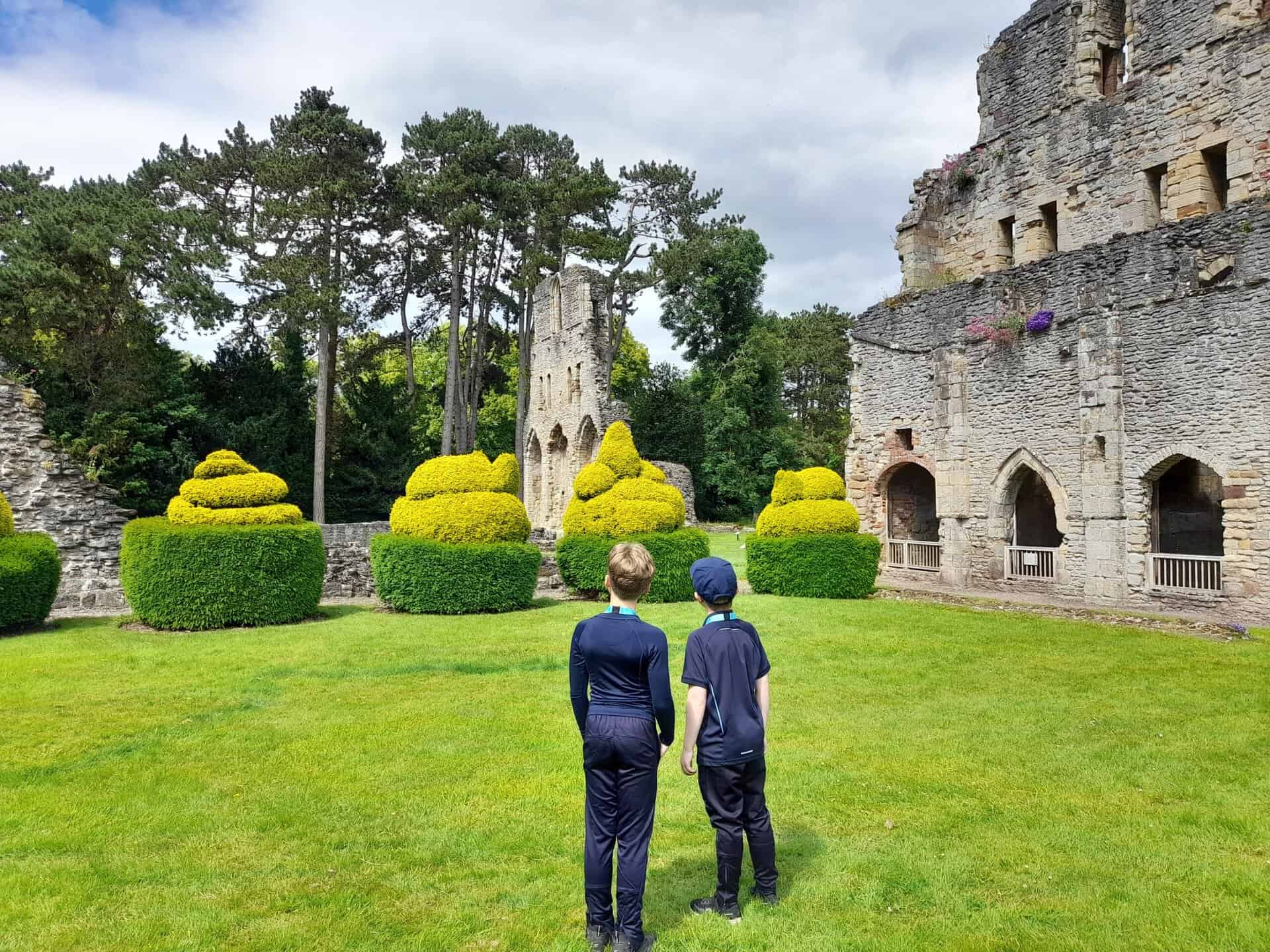
- Day visits: These excursions are a cornerstone of practical environmental education. They may include activities like guided walks, wildlife spotting, or historical explorations of a castle or ancient ruins.
- Residential trips: During these stays, children can participate in adventure activities that not only develop physical skills but also bolster personal and social skills. It's common for these residencies to take place in settings like the Wyre Forest District, where children are encouraged to live and learn collaboratively, often using recycled materials and engaging with sensory experiences.
Utilising Green Spaces and Communal Areas
The deliberate use of green spaces and communal areas, whether these be school grounds or nearby parks, is paramount in delivering a broad range of outdoor learning activities. By integrating these areas into regular teaching practice, we make the most of the available resources and spaces—fostering a connection with nature and helping to promote an active lifestyle amongst young learners.
- School grounds: These can be converted into educational gardens or nature areas, which serve as living classrooms for subjects ranging from science to art and literacy. The Edible Garden is a prime example of how a simple idea can teach children about biology, nutrition, and the rewards of cultivating their own food.
- Local parks and woodlands: Such natural settings can greatly augment the educational visits by providing a space for exploratory and inquiry-based learning, vital for enhancing environmental awareness and respect for natural habitats.
Innovative Educational Practices
Adopting innovative educational practices in outdoor learning is essential not only to maintain engagement but also to align with the evolving educational paradigms. These practices are developed through research, collaboration, and a willingness to adapt to the needs and interests of our learners.
- Incorporation of technology: While it may seem counterintuitive in a natural setting, technology like GPS for orienteering or apps that catalogue plant species can deepen the outdoor learning experience.
- Curricular integration: We see the outdoors not as a separate entity but as a dynamic classroom. Subjects like mathematics are brought to life through non-standard units of measurement found in nature, as well as geometry observed in structures like spider webs or snowflakes.
By focusing on these strategies and approaches, we enrich our educational offerings and provide students with a well-rounded, multi-faceted learning experience that resonates far beyond the traditional classroom walls.
Latest news
12th October 2026
Heathfield Knoll School Fostering Growth, Mindset, and Adventure: Introducing the HK ‘YET’ Award
At Heathfield Knoll School, education goes far beyond traditional classroom boundaries. We believe in preparing pupils for the world ahead...

3rd July 2026
Old Wolvernian Issue 6
Read the latest edition of Heathfield Knoll School’s newsletter, The Old Wolvernian, celebrating school life across the term. This issue...

29th June 2026
Esther, prefect 2025/26 - Final Speech
I can't express the impact that this school has had on me. It has taught me so much and nurtured...
22nd June 2026
Theodore - Captain of School Final Speech
Standing before you today as Captain of School, on my last obligatory day at Heathfield Knoll School, I am primarily...