
School trips are much more than just a day out of the classroom. School trips offer valuable educational experiences that textbooks and classes alone can’t provide. Whether visiting historic sites or cultural centres, these trips give pupils the chance to learn in an engaging and memorable way.
Educational visits allow students to experience real-world applications of what they're learning in class. They offer a meaningful learning environment by allowing pupils to see and interact with actual examples of the subject matter. This method sparks curiosity and a deeper understanding of different topics, whether through visiting an art museum or a historical location. These experiences stick with your child, making the learning journey enjoyable and impactful.
Another key advantage of school trips is the opportunity for students to develop social skills and form stronger relationships with peers. Working together in a new educational setting lets them bond and strengthen friendships. These experiences can boost their confidence and ability to work as part of a team, skills that are beneficial beyond the school gates.
Key takeaways
- School trips provide enhanced learning experiences beyond the classroom environment.
- They create experiential learning by engaging with real-world examples.
- Field trips enhance social skills and strengthen relationships between students.
Educational advantages of school trips
The educational benefits of school trips extend beyond classroom experiences. They provide opportunities for learners to strengthen subject comprehension, promote personal development and enhance social and communication skills. These real-world experiences are invaluable for developing critical thinking skills and meeting various learning objectives.
Strengthening subject comprehension
When we take children on school trips, they get to see and experience what they've learned in school in real life. This can make subjects like history or science more interesting and easier to understand. For instance, visiting a historic site or a science museum can turn abstract ideas into tangible ones.
These trips align with the educational curriculum, enriching pupils' learning by providing context. They also offer real-world experience, which can strengthen their grasp of different subjects. Being in a new environment stimulates curiosity, encouraging students to ask questions and connect what they see with what they've learned.
Hands-on experiences allow your child to explore topics more thoroughly. This approach supports various learning styles and makes complex subjects more accessible. Time spent outside the classroom greatly enhances their understanding of various topics, offering benefits for children of all ages.
Promoting personal development
School trips are not just about learning facts; they also contribute to personal growth. Venturing beyond everyday surroundings encourages self-reliance and adaptability. Facing new challenges helps pupils become more resourceful, boosting their independence and confidence.
These outings also enable pupils to discover new interests and talents. Whether they're drawn to art, history or nature, school trips provide opportunities to explore them further. This exploration promotes development for children, enhancing both creativity and critical thinking skills.
These trips important for pupils' lifelong educational journey, contributing to their overall personal growth.
Enhancing social and communication skills
One significant aspect of school trips is their role in boosting social skills. Pupils get to interact with classmates and teachers in more informal settings, which can strengthen relationships. These interactions often lead to better communication skills as they navigate new social dynamics.
Fun activities such as team projects or group discussions offer chances to work together towards common learning objectives. These can include problem-solving tasks that require collective efforts, enhancing pupils' ability to work effectively in a team.
These school experiences help build empathy and understanding. Pupils learn to appreciate different perspectives and cultures, supporting a more inclusive mindset. In this way, school trips help pupils become more socially adept, improving both interpersonal skills and the development of children as active and engaged learners.
Types of educational visits and their unique contributions
Educational visits can be classified into various types, each providing distinct advantages. Day trips, residential school trips and museum visits all offer experiential learning opportunities that enhance academic life. Engaging with real-world experiences can boost understanding and retention.
Day trips and local outings
Day trips immerse pupils in local environments, offering hands-on learning experiences. These outings might include visits to parks, nature reserves or local businesses, allowing students to see subjects come to life outside the classroom. For instance, a trip to a local farm can teach them about agriculture and ecology in a practical setting.
Interacting with nature and local community members can broaden your child's perspective and encourage real-life problem-solving. These experiences are aligned with curriculum objectives and promote curiosity and heighten students' levels of engagement. By exposing pupils to different career paths and industries, day trips can also inspire future aspirations.
Residential trips and overnight excursions
Residential trips offer extended opportunities for learning and personal growth. These excursions often include staying at educational centres or camps where your child can participate in team-building activities and focused study. This immersive environment helps develop independence, resilience and social skills.
Staying overnight on residential trips allows pupils to experience full-day activities and in-depth workshops. For example, trips to science camps or outdoor adventure centres can offer lessons in teamwork and leadership. These experiences support a deeper understanding of subjects like geography, science and history through consistent engagement and challenges.
Visits to museums and historical sites
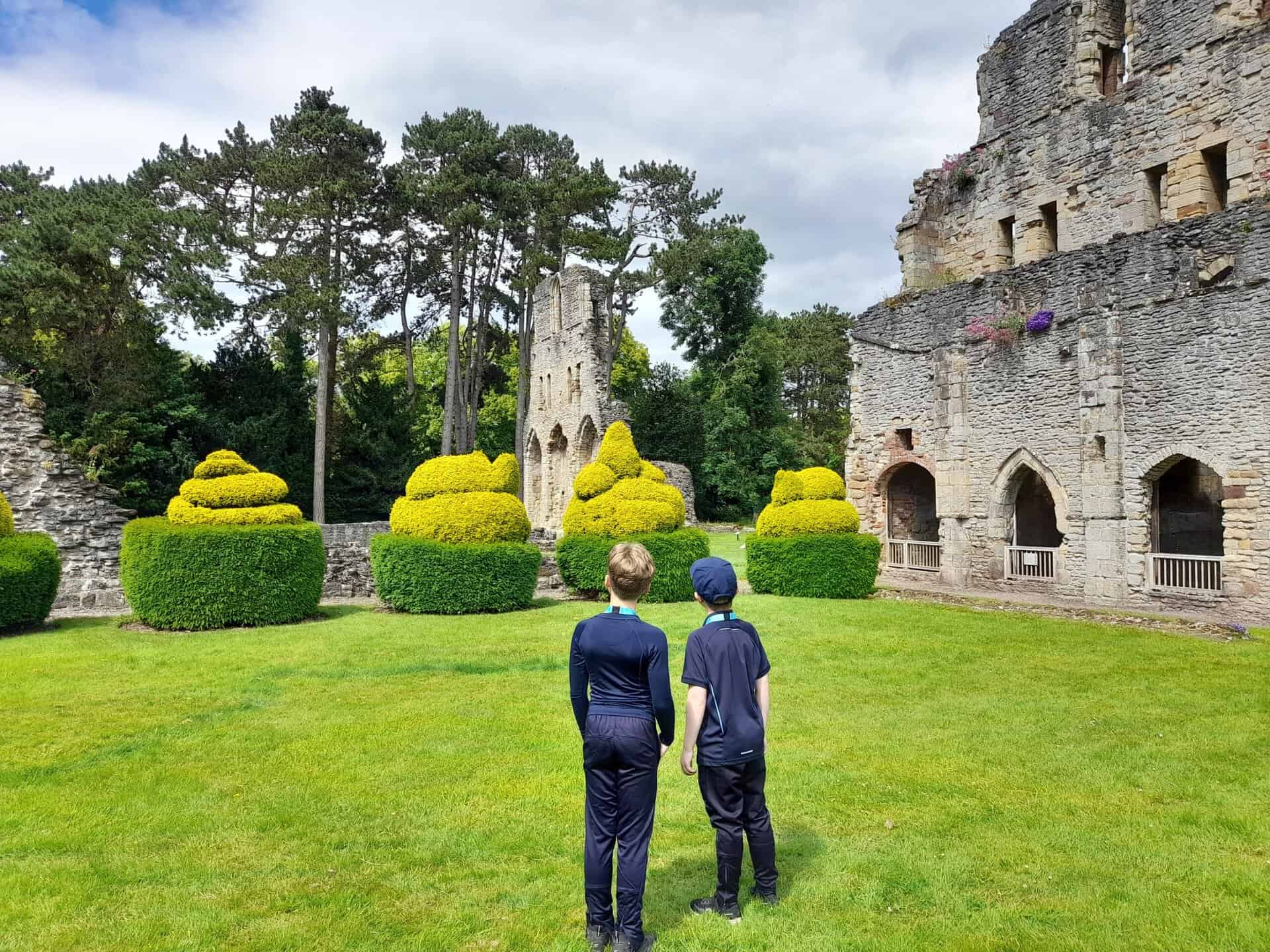
Visits to museums and historical sites provide students with rich, visual learning experiences. The positive impact of historical sites means students gain a deeper appreciation for history and culture by engaging with artefacts and displays.
These visits often complement classroom history lessons, providing pupils with real-life examples of topics discussed in class. By witnessing historical sites firsthand, they can better grasp the significance of past events and cultures. These experiences are invaluable for visual and kinaesthetic learners, as they bring theoretical knowledge to life and encourage critical thinking.
Challenges and limitations of school trips
School trips offer plenty of educational opportunities but come with challenges. Ensuring student safety, addressing their diverse needs and achieving educational goals can be complex tasks. Understanding these challenges can help in planning effective and inclusive trips.
Addressing the diversity of students' needs
When planning our range of school trips, we always consider the diverse needs of students. Some students may face more barriers, so efforts should be made to ensure inclusivity.
Accessibility is especially important. Students with disabilities may need specialised support to fully engage with the trip. This is all taken care of as standard on our school trips, ensuring every single pupil has the opportunity to get the most out of these experiences
Maximising the positive impact of school trips
Selecting educational trips that align closely with our curriculum content ensures that our visits are valuable and relevant to students’ learning. By aligning the school trip with educational goals, we maximise the benefits of school trips.
Frequently asked questions
School trips offer a chance to learn beyond the classroom. These experiences bring excitement to education for children and can deeply influence student growth and understanding.
What are the benefits of school trips for students?
Students often find school trips enriching. They help children see the world from different angles, offering practical experiences. Exposure to new environments sparks curiosity and enhances social skills.
How do educational visits enhance the learning experience?
Educational visits take learning to new settings, like museums or historical sites. These environments make lessons memorable, helping students better retain information by linking it to real-world contexts.
What objectives do school visits serve in an educational context?
School trips aim to broaden students' horizons by applying classroom knowledge to real-life situations. Visiting locations relevant to subjects like history or science deepens understanding and makes lessons stick.
Can school trips significantly impact student development, and if so, how?
School trips can have a significant positive impact on students' academic and social development. They encourage teamwork and problem-solving, and enhance classroom-based learning. Independence and confidence are often boosted during these experiences.
What are the potential drawbacks of conducting school trips?
School trips can present challenges, such as logistical issues or financial constraints for families. Ensuring all students can participate can be difficult but is important for equal learning opportunities.
How does Ofsted view the role of school trips in education?
Ofsted views school trips for students as vital for a well-rounded education. They are seen as beneficial for expanding students' learning horizons beyond traditional classroom settings, offering diverse learning opportunities.
Latest news
12th October 2026
Heathfield Knoll School Fostering Growth, Mindset, and Adventure: Introducing the HK ‘YET’ Award
At Heathfield Knoll School, education goes far beyond traditional classroom boundaries. We believe in preparing pupils for the world ahead...

3rd July 2026
Old Wolvernian Issue 6
Read the latest edition of Heathfield Knoll School’s newsletter, The Old Wolvernian, celebrating school life across the term. This issue...

29th June 2026
Esther, prefect 2025/26 - Final Speech
I can't express the impact that this school has had on me. It has taught me so much and nurtured...
22nd June 2026
Theodore - Captain of School Final Speech
Standing before you today as Captain of School, on my last obligatory day at Heathfield Knoll School, I am primarily...