
The subjects your child has access to in school play a big role in shaping their future. The broad curricula in independent schools helps young people grow through academics, arts, sports and personal development.
The extensive learning opportunities afforded by independent school curricula gives your child the chance to discover strengths, build confidence and develop skills for life. Independent schools are not bound by the restrictions of the national curriculum, meaning they can offer a broader range of subjects and cover them in more depth.
Schools that follow a broad and balanced approach to learning prepare pupils to adapt and succeed in a changing world. They combine traditional subjects with creative and physical activities, helping children become well-rounded individuals.
Here, we’ll cover how independent schools like Heathfield Knoll design and assess their programmes to create that balance. We’ll show you how a broad curriculum supports academic success, personal growth and future readiness, all key reasons why it remains central to quality education.
Core benefits of a broad curriculum in independent schools
A broad and balanced curriculum helps your child gain strong academic knowledge, emotional maturity and practical life skills. It combines traditional subjects with enrichment opportunities that prepare pupils to succeed both in school and beyond.
Academic excellence and knowledge acquisition
Independent schools design their school curriculum to give pupils a broader range of knowledge across subjects such as English reading, mathematics, science, art and design and more. This approach encourages curiosity and supports deeper understanding of how different subjects cross over with one another.
A structured and sequenced curriculum builds knowledge and skills year by year. Your child develops strong foundations that support progress into higher levels of study.
For example, our curriculum at Heathfield Knoll focuses on key child development and early literacy and numeracy skills in the early years. Then, we move onto specialist teaching in subjects including dance and modern foreign languages, allowing pupils to explore their passions while building key foundational skills.
Teachers use varied methods to improve spatial ability, digital literacy and analytical thinking. These methods include project-based learning, research tasks and fieldwork. By studying a range of subjects, your child gains cultural capital and becomes more confident applying knowledge in real-life contexts.
Holistic development and wellbeing
A holistic curriculum supports your child’s personal growth and mental health by balancing academic challenges with creative and physical activities. Independent schools often combine physical education, music, drama and community service to help you stay active and engaged.
Exposure to different disciplines helps children discover their interests and preferred learning styles early. This balance builds self-awareness and emotional resilience and creates a genuine love of learning.
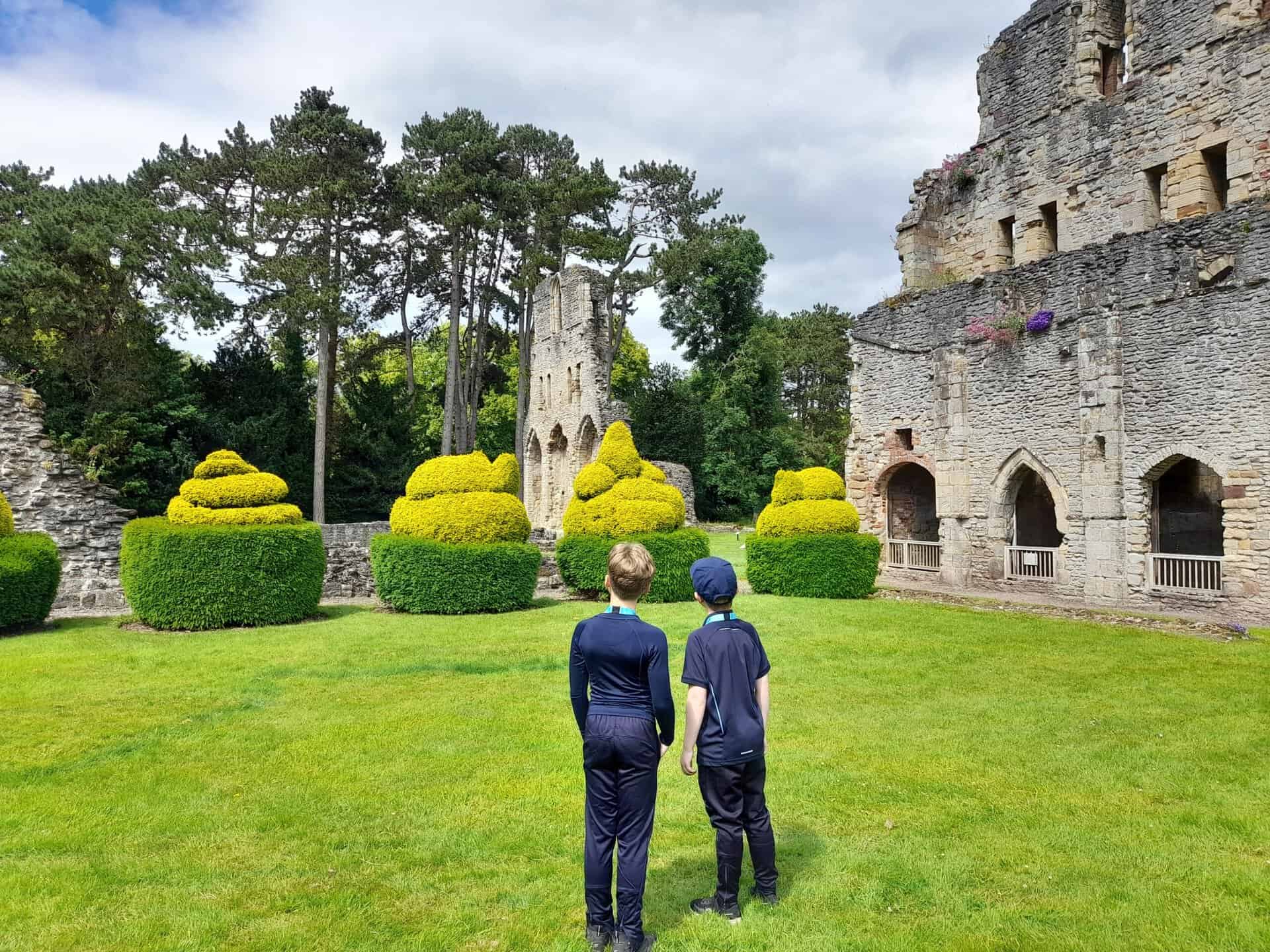
We further enhance our broad curriculum with trips and visits to places like museums, art galleries and locations of cultural significance to connect learning with the real world. These experiences promote a sense of belonging and responsibility.
Development of essential life skills
A broad curriculum helps your child build a portfolio of skills that extends beyond academics. Skills such as teamwork, communication and problem-solving prepare them for life after school. Independent schools encourage participation in debates, leadership programmes and volunteering.
Effective curricula nurture creativity and critical thinking. These experiences help your child adapt to new challenges and work well with others.
Through practical learning and reflection, they gain confidence in managing real-world situations. Whether through digital projects, community initiatives or creative performances, your child develops independence and a sense of purpose that supports future success.
Curriculum design, assessment and the independent school advantage
Independent schools often design their own study programmes to balance academic rigour with personal growth. They use flexible assessment systems, smaller class sizes and specialist staff to meet individual learning needs and reduce teacher workload.
How independent schools structure a broad curriculum
Independent schools are not bound by the restrictions of the national curriculum, giving them the freedom and flexibility to offer a richer programme of subjects. Independent schools design programmes that include core subjects alongside creative and technical learning, such as art, design and digital skills. This approach helps pupils develop curiosity and independence while meeting high academic standards.
A broad curriculum also includes modern STEM topics, including digital literacy and environmental sustainability. Independent schools can adapt quickly to new subjects and implement modern technologies, including augmented reality, virtual reality and online content, which enrich classroom experiences.
Independent schools can also spend more time on deep learning alongside vital test preparation. This flexibility supports long-term thinking and helps pupils prepare for varied long-term destinations after school.
Innovative assessment practices and student progress
Independent schools often use multimodal assessment to capture progress more accurately. Instead of relying only on written exams, they combine formative assessment, teacher assessments and digital tools like a digital learner profile. This approach gives you a clearer picture of your child’s development across subjects and skills.
Many schools use baseline assessments to inform teaching. These tools help teachers identify strengths and gaps early, supporting targeted learning. The added benefit of small class sizes in independent schools means that teachers can dedicate the time and attention each individual student needs to improve.
Teachers communicate results through detailed digital reports and email communication, giving you regular insight into your child’s growth. This continuous feedback loop strengthens trust between families and educators.
The role of specialist staff and resources
Independent schools often employ a wide range of specialist staff, including subject experts, teaching assistants and a strong pastoral care team.
Smaller class sizes mean teachers can personalise instruction and monitor progress closely. Pupils receive individual attention during lessons, which supports both academic and personal growth.
Specialist facilities, such as forest schools, art studios and quiet learning spaces, give pupils access to outstanding resources. Many schools also integrate technology through virtual reality and online content to enhance interactive learning.
This combination of expert staff, manageable class sizes, and well-equipped environments strengthens the link between curriculum design and effective assessment. It ensures pupils develop both subject knowledge and transferable skills that prepare them for future study and life beyond school.
From reception onwards, pupils at Heathfield Knoll get access to specialist teachers across our entire curriculum. They can learn from experts in traditional subjects like maths, English and the sciences, as well as more niche topics like dance and ancient history.
Frequently asked questions
A broad curriculum in independent schools helps your child gain academic knowledge, practical skills and personal confidence. It balances core subjects with creative, physical and social learning, preparing pupils for further education and life beyond school.
What are the benefits of a broad curriculum for my child’s development?
A broad curriculum encourages intellectual curiosity and personal growth. It helps children build confidence, teamwork and communication skills through varied subjects and activities. Independent schools often promote participation in sports, music, drama and debate, which supports well-rounded development and engagement in learning. It also helps your child discover their passions and develop a genuine love of learning.
How does a broad curriculum in independent schools differ from state schools?
Independent schools have greater flexibility in curriculum design, because they are not bound by the national curriculum. They can offer a wider range of subjects, specialised teaching and more extracurricular options. State schools must follow national guidelines, which can limit subject choice. This flexibility allows independent schools to tailor learning to students’ interests and abilities.
What should parents consider when evaluating the curriculum offerings of an independent school?
Look for balance between academic subjects, creative arts and physical education. Ask how the school integrates extracurricular activities and supports different learning styles. You can also review how the school’s approach aligns with your child’s interests and long-term goals.
How can a broad curriculum impact university admissions and future career prospects?
A broad curriculum builds critical thinking, adaptability and independent learning skills, which are all qualities valued by universities. Exposure to diverse subjects helps students discover interests early, guiding them towards suitable university courses and careers. Employers also value candidates with soft skills gained through broad educational experiences.
How does a broad curriculum support the holistic education of students?
A broad curriculum supports intellectual, emotional, social and physical development in students. Students learn to manage challenges, express creativity and develop empathy. A broad and balanced curriculum ensures pupils leave school as capable, well-rounded individuals ready to contribute positively to society.
Latest news
12th October 2026
Heathfield Knoll School Fostering Growth, Mindset, and Adventure: Introducing the HK ‘YET’ Award
At Heathfield Knoll School, education goes far beyond traditional classroom boundaries. We believe in preparing pupils for the world ahead...

3rd July 2026
Old Wolvernian Issue 6
Read the latest edition of Heathfield Knoll School’s newsletter, The Old Wolvernian, celebrating school life across the term. This issue...

29th June 2026
Esther, prefect 2025/26 – Final Speech
I can’t express the impact that this school has had on me. It has taught me so much and nurtured...
22nd June 2026
Theodore – Captain of School Final Speech
Standing before you today as Captain of School, on my last obligatory day at Heathfield Knoll School, I am primarily...